She passed away almost in mid-stride — suddenly and unexpectedly — with another bundle of emails and festival documents in her hand.
Elżbieta Penderecka
Polish cultural activist and arts patron who initiated and organised several prestigious music festivals, including the Ludwig van Beethoven Easter Festival.
She also sits on the boards of several international music foundations. For many years, she has been devoted to promoting classical music, consistently championing Polish artists and culture on major national and international stages, becoming a cultural ambassador for Poland.

Elżbieta Penderecka
Fot. Bruno FidrychFor Her, Nothing Was Impossible
by Jacek Marczyński
When she married Krzysztof Penderecki, fourteen years her senior, she was regarded simply as the young wife of a composer whose international reputation was rapidly ascending.
She quickly grew into that role. In time, she established an independent position of her own in the world of music and among its most distinguished figures.
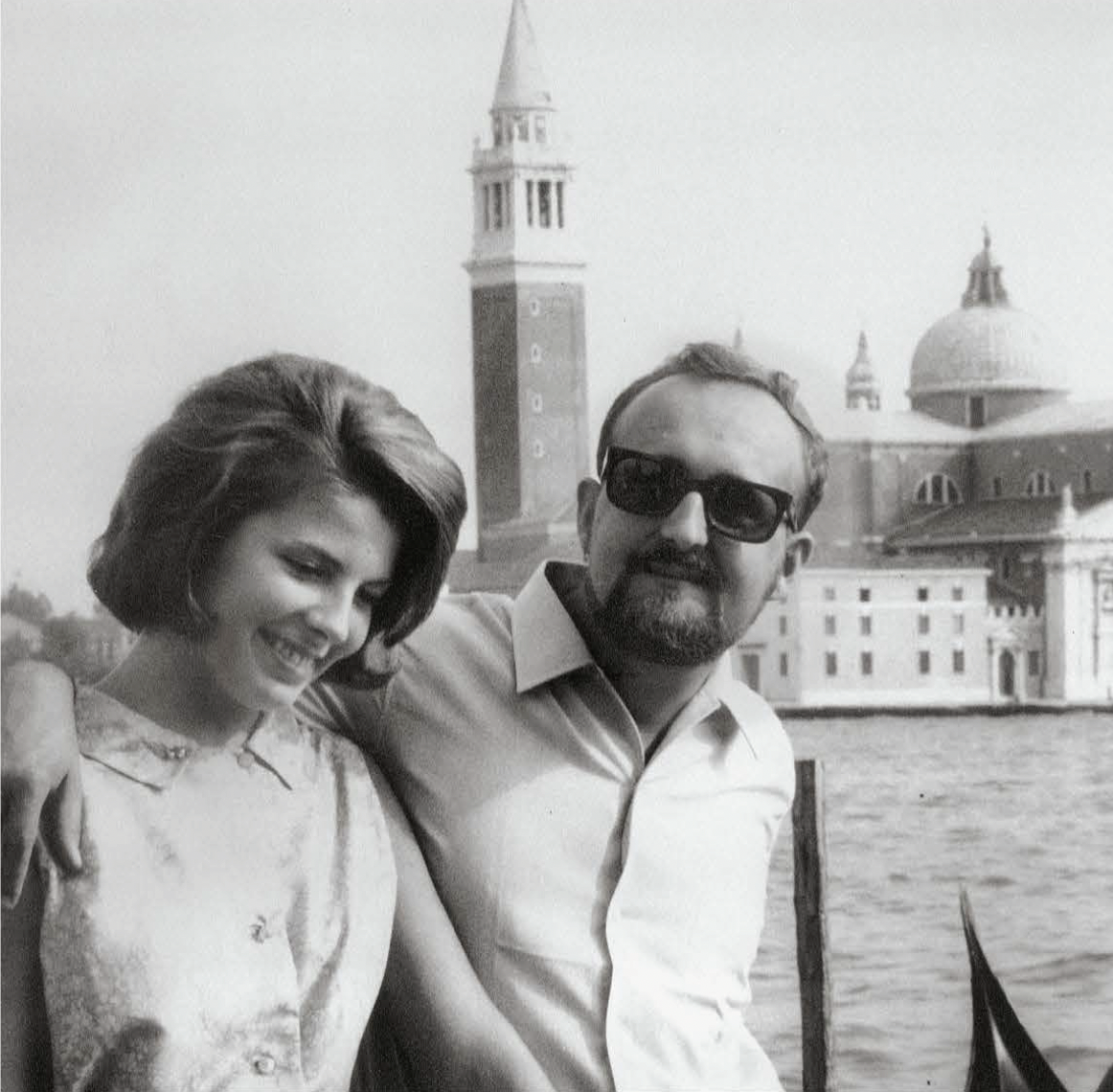
Elżbieta and Krzysztof Penderecki
Ludwig van Beethoven association archivesInheritance of Culture
Elżbieta Penderecka’s parents were less than enthusiastic when, after her first year at the Jagiellonian University, she decided to marry. Yet they had unwittingly prepared her perfectly for life at the side of a great artist — and beyond.
Her childhood home was filled with music. Her father, concertmaster of the Kraków Philharmonic and a professor at the Academy of Music, taught students there; chamber music was often played in the family living room. Weekly visits to the philharmonic were routine. It was at one such concert that she first heard Penderecki’s Polymorphia, and was captivated.
She also received a rigorous home education. French lessons began early; her grandmother, brought from Vienna by her grandfather, encouraged her to learn German. From her mother and grandmother she acquired social graces that seemed almost redundant in socialist Poland. Yet in 1967, when Penderecki was invited to serve on a jury in Monaco and the formidable Nadia Boulanger asked whether she knew how to greet the Prince and Princess at a formal dinner, Elżbieta responded with a poised bow rehearsed years before at home.
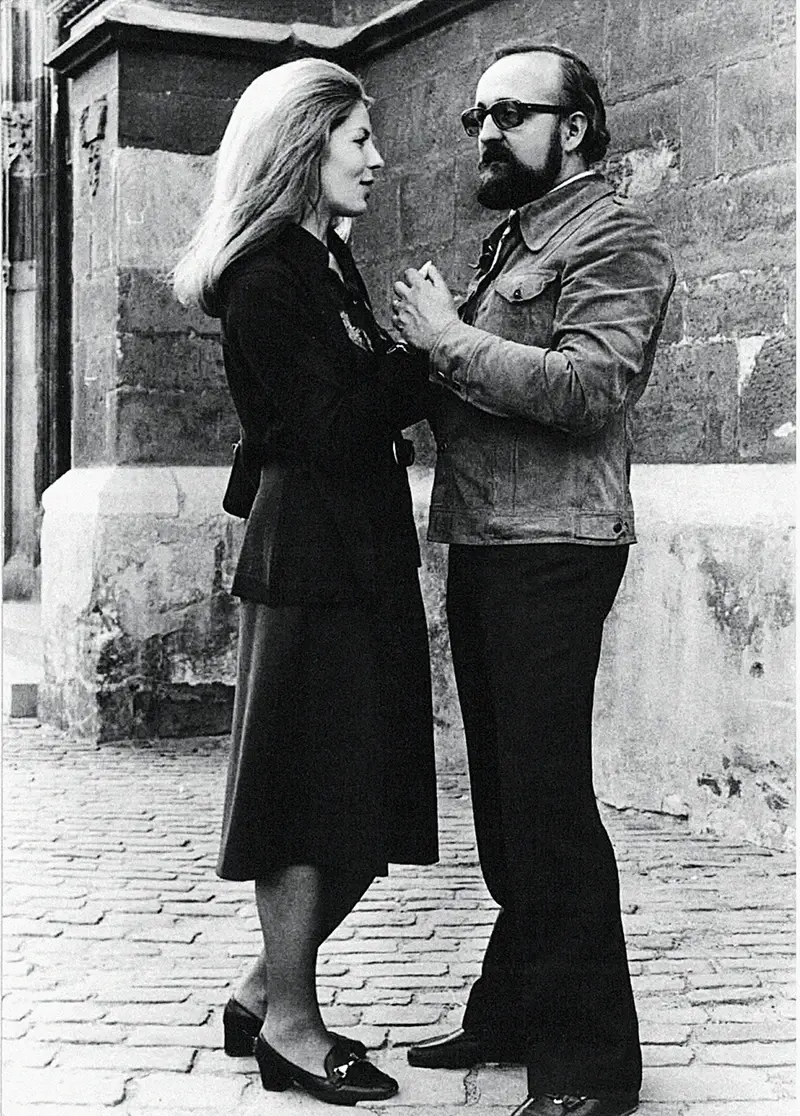
Elżbieta i Krzysztof Penderecki (private archive)
A Tailsuit in the Dressing Room
The early years of their marriage coincided with the international triumph of the St Luke Passion, which transformed the composer’s life. Elżbieta could travel abroad only as his wife. When Penderecki took up a professorship at the Folkwang Hochschule in Essen, their young son, Łukasz, was forced to remain in Poland with his grandparents; the authorities refused him a passport, fearing the family might not return.
She proved an ideal partner to a composer whom his friend Stanisław Radwan once described as naturally hesitant when faced with major decisions. She organised his life with quiet efficiency, ensuring that he had the calm and conditions necessary for creative work. She remembered every deadline. Before each concert, a tailsuit and freshly pressed white shirt would be waiting in his dressing room.
When he began teaching at Yale University, she arranged a bank loan, found a villa, negotiated its purchase, and only then asked her husband whether he liked the house.
“Ela is very sociable,” Penderecki once remarked. The comment, seemingly simple, captured something essential. At the innumerable receptions and dinners that accompanied his career, he might offer a sharp observation but would often lapse into thoughtful silence. It was Elżbieta who sustained the conversation, another gift honed in childhood.
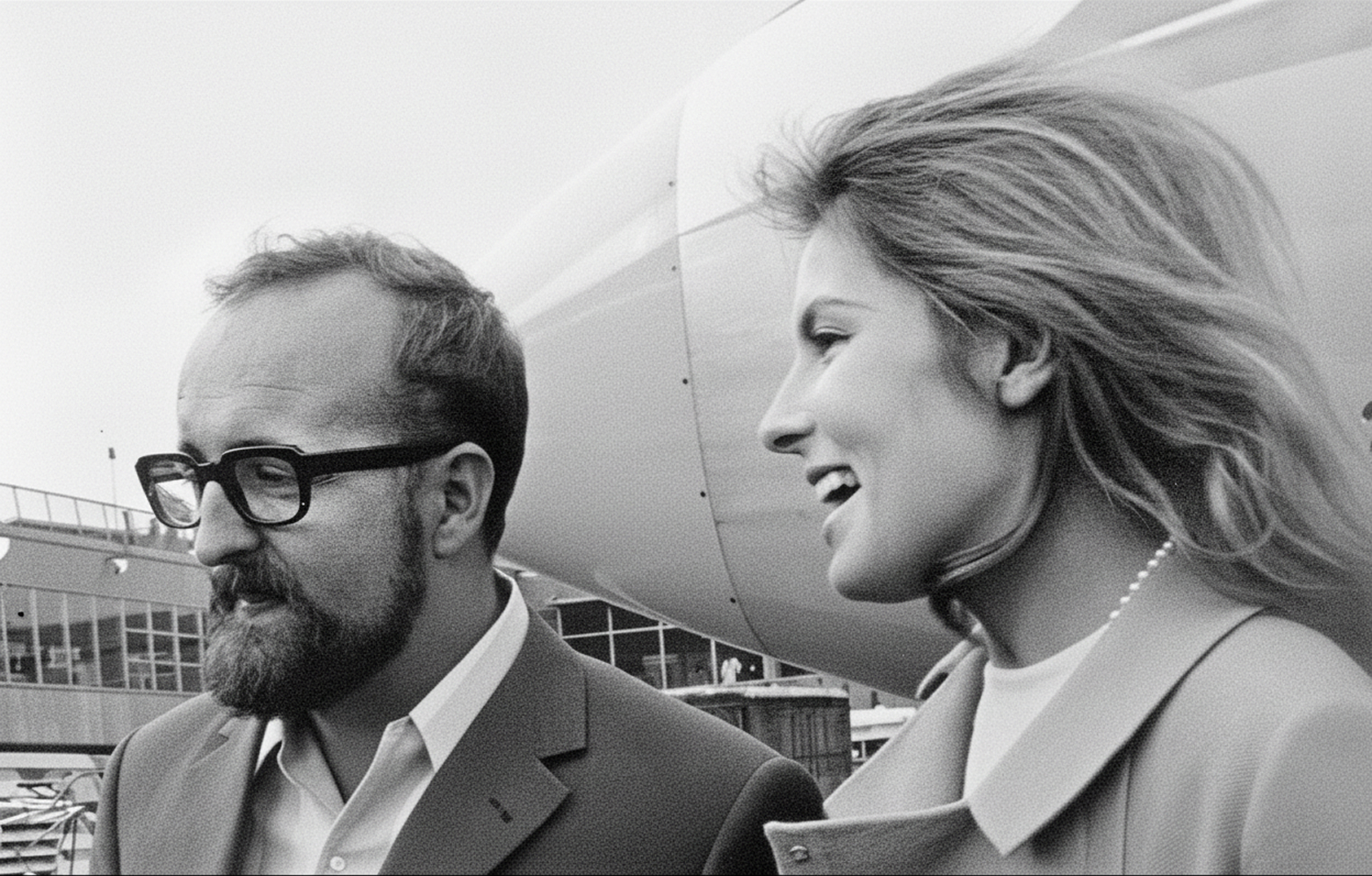
Elżbieta i Krzysztof Penderecki
Ludwig van Beethoven Association archivesChampagne with Rostropovich
Without her, it is doubtful that Penderecki would have forged so many close artistic friendships. In 1974, after a concert at Carnegie Hall, she persuaded her hesitant husband to go backstage to congratulate Mstislav Rostropovich. Though the corridor was crowded, she managed to inform security that Penderecki wished to greet the maestro. Moments later, Rostropovich emerged, ushered them into his dressing room and ordered champagne.
The encounter marked the beginning of a friendship that endured for decades. Nearly a quarter of a century later, Rostropovich appeared in Warsaw in the series “Great Masters’ Concerts – Elżbieta Penderecka Invites”, even taking the opportunity to trace his Polish ancestry.
Strong and Fragile
By the 1990s, Elżbieta Penderecka had stepped beyond the role of a composer’s wife. She resolved to shape musical life herself. Her first major experience came in Puerto Rico, assisting her husband during his tenure as Artistic Director of the Pablo Casals Festival in San Juan.
She later co-founded one of Poland’s earliest private artistic agencies, Heritage Promotion of Music and Art. Increasingly, she became a force within Poland’s musical landscape. She played an active role in establishing Sinfonietta Cracovia and chaired the Programme Council of Kraków 2000 – European City of Culture. Through her efforts, many of the world’s most celebrated artists performed in Poland, among them Martha Argerich, Jessye Norman, Maxim Vengerov and Nikolaus Harnoncourt.
In Poland, it was often said that there was nothing she could not accomplish, including securing funding for ambitious cultural ventures. Success, inevitably, bred envy. She could be guarded with those she perceived as hostile. She was strong, yet also vulnerable, particularly in her early years navigating an unfamiliar world. Over time, sustained by discipline and consistency, she never ended a day with tasks unfinished, she developed a composed indifference towards her critics.
Both strength and fragility were evident during her husband’s final illness and after his death. She remained almost constantly at his side in his last weeks. The trauma contributed to her own grave illness, from which recovery seemed improbable. Yet once more she demonstrated remarkable resilience, enduring arduous rehabilitation before returning to full activity.
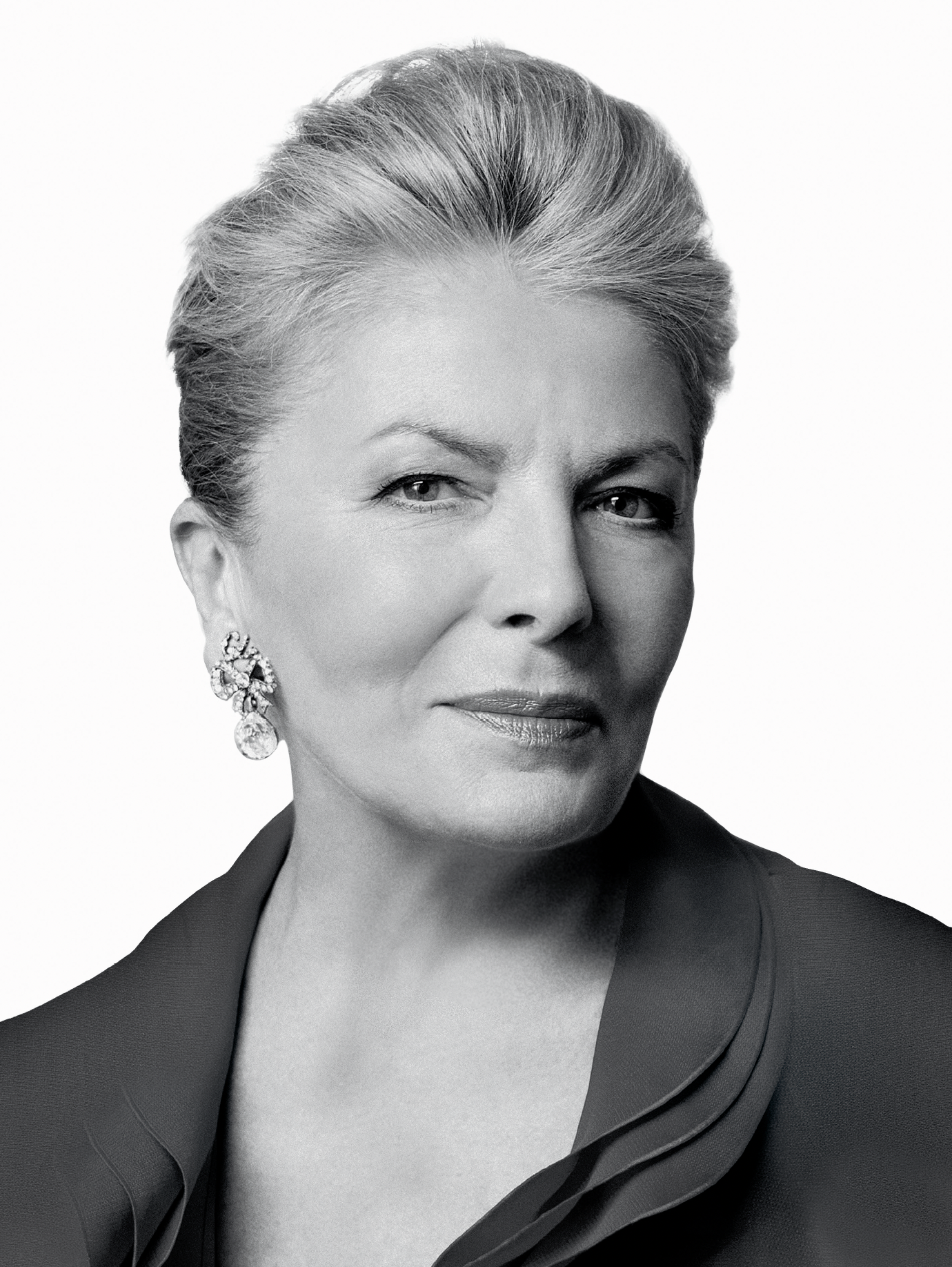
Elżbieta Penderecka
A Dinner for Menuhin
For fifty-five years she stood beside Penderecki, while also quietly supporting others. Sometimes this meant bringing back a rare score from abroad. At other times it required subtle diplomacy.
When Sinfonia Varsovia was founded in 1984, its co-founder Waldemar Dąbrowski hoped that Yehudi Menuhin might become its principal conductor. He turned to Elżbieta for help in hosting a dinner that would demonstrate Poland’s place within “normal Europe”. She invited leading figures of Kraków’s intellectual life, including Zagajewski and Miłosz. Menuhin left enchanted.
She possessed an extraordinary memory for faces and names, able to resume conversations as though no time had passed. She took particular care to champion young artists. The Beethoven Academy Orchestra was founded on her initiative; she introduced emerging soloists to the stage. When Szymon Nehring won First Prize at the Artur Rubinstein Competition in Tel Aviv, she accompanied him throughout. Together with her husband, she helped to establish the European Centre for Music in Lusławice, conceived with future generations in mind.
Two Great Missions
The crowning achievement of her life was the Ludwig van Beethoven Easter Festival, founded in 1997 in Kraków and moved to Warsaw in 2004. It became the first major musical event in Poland during Holy Week and grew steadily in scale and international standing. In 2003 she established the Ludwig van Beethoven Association, serving as its President and promoting Polish culture abroad.
After her husband’s death, she believed she had a second great mission: safeguarding his legacy. In 2023 she organised celebrations marking the 90th anniversary of his birth, oversaw his archives and took particular satisfaction in the premiere of recovered fragments from his unfinished opera Phaedra. She also assumed the chairmanship of the Programme Council of the Krzysztof Penderecki European Centre for Music in Lusławice.
Honoured in Poland and internationally with dozens of awards, she valued each distinction. Yet her deepest fulfilment lay not in accolades, but in the steady work of planning, programming and building festival after festival, in the service of Polish culture.
For her, nothing was impossible.